

Fitzgerald Auto Malls

Blog / Fitzgerald Auto Malls

Used Car Test Drive Checklist: What to Look for Before You Commit

A smiling man driving a car with a woman sitting next to him, both enjoying their time together.
Shopping for a new-to-you vehicle is exciting—but it can also feel overwhelming if you don't know what to look for. Having a solid used car test drive checklist in hand before you head to the lot makes the process much smoother, less distracting, and helps you avoid costly surprises down the road. Whether you're eyeing a luxury SUV or a reliable daily driver, the steps below will help you evaluate any vehicle with confidence.

Inspect the Exterior Before You Start the Engine

Your used car test drive checklist should always begin before you ever turn the key. Walk around the entire vehicle and look for uneven panel gaps, mismatched paint, or signs of rust. These can be indicators of past collision repairs. Check the condition of the tires, too. Uneven wear patterns can point to alignment or suspension issues that may need attention sooner than you'd like.

Check Under the Hood

Pop the hood and take a look at the engine bay. You don't need to be a mechanic to spot red flags. Look for fluid leaks, corroded battery terminals, cracked belts, or hoses that look brittle or worn.
Check the oil dipstick—clean, light-brown oil is a good sign. Dark, gritty oil or a milky appearance could signal bigger engine problems. These are important questions to ask when buying a used car: When was the last oil change, and does service history documentation exist?

Test All the Technology Inside the Cabin

Once you're inside, your used car test drive checklist should cover every button and feature. Test the touchscreen, air conditioning, heat, audio system, and all power windows. Don't skip the smaller details like seat adjustments, mirror controls, and interior lighting. Look at the condition of the upholstery, carpet, and headliner. Excessive wear can tell you a lot about how the previous owner treated the vehicle overall.

Put It Through Its Paces on the Road

This is where your used car test drive checklist really comes to life. During the drive, try accelerate to highway speeds if it’s safe and legal. Pay attention to how the vehicle responds. Is the acceleration smooth or does the vehicle buck at all? Does the transmission shift cleanly through all gears?
Brake firmly at a safe speed and notice if the vehicle pulls to one side. Listen for any grinding, squealing, or other unusual noises. They can point to worn brake pads or even metal-on-metal contact with the rotors. Knowing the right questions to ask when buying a used car—like whether the brakes have been recently serviced—can help you negotiate or plan for upcoming maintenance costs.

Request a Vehicle History Report

After the test drive, ask for a full Vehicle History Report. This document can reveal prior accidents, odometer discrepancies, previous ownership details, and whether the vehicle has ever been declared a total loss.
A reputable seller will have no hesitation providing this information. If there's any reluctance, that's worth noting before you make a decision.

Visit Fitzgerald Auto Malls for Your Next Pre-Owned Vehicle

Following a thoroughly used car test drive checklist puts you in the best position to make a smart, confident purchase. From exterior inspection to road feel, every step matters when you're investing in a vehicle that needs to serve you well.
Our teams at Fitzgerald Auto Malls are ready to help you find a quality pre-owned vehicle that fits your needs and budget. Visit http://www.fitzmall.com to browse available inventory and schedule your test drive today.

Posted in:

Related Posts

A man and a woman are examining a car in a car dealership. The man is smiling and pointing at the car's surface while the woman looks on, also smiling.

Car Mileage vs. Age: Which Matters More When Buying a Vehicle?

When you're ready to find a new-to-you vehicle, one of the most common questions buyers face is whether car mileage vs. age should be the deciding factor. It's a great question, and the honest answer is that both matter—but in different ways depending on what you're looking for. Understanding how these two factors work together can help you make a smarter, more confident purchase. Whether you're browsing new models or comparing used car mileage on a pre-owned option, knowing what to look for puts you in a better position. Why Mileage Gets So Much Attention When most people think about used car mileage, they focus on the odometer reading as a quick indicator of wear and tear. And there's good reason for that. Higher mileage generally means more stress on the engine, transmission, brakes, and other key components. That said, mileage alone doesn't tell the whole story. A vehicle with 80,000 miles that was driven mostly on the highway and serviced regularly can actually be in better shape than one with 50,000 miles of hard city driving and spotty maintenance. How Age Factors Into the Equation Age plays a different but equally important role in the car mileage vs. age conversation. Older vehicles are subject to time-related wear, regardless of how many miles they've traveled. Rubber seals, belts, hoses, and other components can degrade simply from sitting - or from years of heat, cold, and humidity exposure. A 10-year-old vehicle with only 30,000 miles might sound appealing at first. But those low miles could mean the car sat unused for long stretches, which can actually cause its own set of mechanical issues. Context matters. What Matters Most: Maintenance History Regardless of where a vehicle falls in the car mileage vs. age debate, maintenance history is arguably the most reliable indicator of long-term value. A vehicle that’s been regularly serviced with oil changes, tire rotations, and inspections done on schedule, will typically outlast one that hasn't, no matter the age or mileage. When evaluating any vehicle, ask for service records. If they're not available, that's a red flag worth noting. A well-documented history gives you real insight into how the vehicle was cared for over time. Tips for Evaluating Any Vehicle There are a few practical steps you can take to evaluate a vehicle beyond just the odometer reading and model year. Ask for a Vehicle History Report, which can reveal accident history, ownership changes, and service records. Especially if you’re not super mechanically inclined, having a trusted mechanic inspect the vehicle before you commit is always smart. Pay attention to tire wear, fluid conditions, and any visible rust. These details often reveal more than a number on a dashboard ever could. If you're considering a new vehicle, Hyundai backs its lineup with America's Best Warranty—coverage for up to 10 years or 100,000 miles—giving you long-term peace of mind from day one. New models also come with 5 years of 24/7 roadside assistance with no mileage cap, which is a meaningful benefit for any driver. Knowledge is Power When it comes to car mileage vs age, there's no single right answer—but being informed makes all the difference. Used car mileage and vehicle age are both useful data points, but they work best when evaluated alongside maintenance history, condition, and your own driving needs. Our teams at Fitzgerald Auto Malls are ready to help you weigh all the factors and find a vehicle that fits your life and budget. Visit https://www.fitzmall.com/ to explore new and pre-owned inventory and get started today.

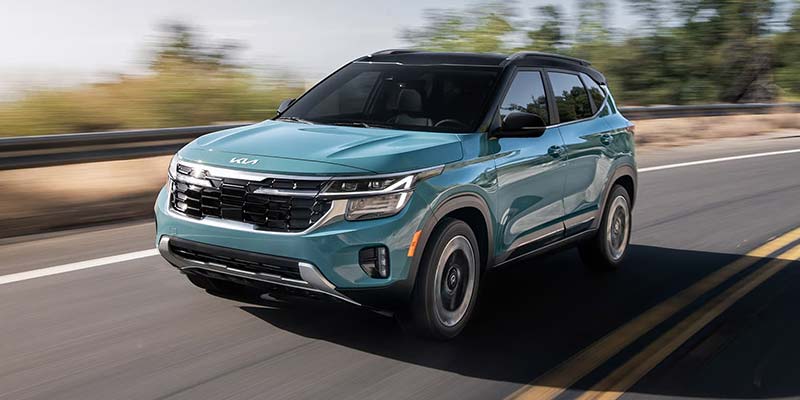
A teal Kia Seltos SUV driving on a winding road surrounded by trees.

What Makes a Great Family Road Trip Vehicle? 8 Features Worth Looking For

Choosing the right family road trip vehicle dictates if a journey is memorable or regrettable. As you plan your next vacation, the vehicle you drive matters just as much as the destination. Here at Fitzgerald Auto Malls, our team wants to help you find the perfect ride to fit your needs. Reach out to our experts today to discover the best options for your family. Here are eight features to prioritize when selecting your next road trip vehicle. Comfortable Seating and Interior Space A great family road trip vehicle starts with generous room to breathe. Look for ample legroom in all rows, supportive seats for long drives, and flexible passenger and cargo space. Models like the Kia Telluride and Kia Sorento offer spacious cabins designed for long journeys, making them strong contenders for traveling families. Ample Cargo Room Luggage, strollers, sports gear, and snacks require serious storage. Pay attention to cargo capacity behind the third row and how easily the seats fold to expand space. Practical and accessible storage ensures you do not need to unpack everything just to grab one item. Strong and Efficient Powertrain Options You want a vehicle that handles highway speeds confidently without draining your wallet at every fuel stop. Hybrid powertrains provide an excellent solution. Kia's hybrid lineup, including the Sportage Hybrid and Sorento Hybrid, delivers capable performance while maximizing fuel efficiency on longer hauls. Advanced Driver Assistance Technology Long miles often lead to driver fatigue, making safety technology crucial on road trips. Features like lane keeping assist, forward collision warning, and adaptive cruise control reduce stress and keep everyone protected. Buyers should never overlook these systems when comparing models. Connectivity and Entertainment Features Keeping passengers entertained and connected requires the right onboard technology. Look for large touchscreens, wireless Apple CarPlay© and Android Auto© integration, rear seat entertainment options, and Wi-Fi hotspot capability. Kia Connect adds an extra layer of convenience by keeping you linked to your vehicle on the road. Smooth and Confident Ride Quality A family road trip vehicle handles various road conditions without making every bump feel like a major event. Suspension tuning, cabin insulation, and overall ride comfort dictate how enjoyable long drives feel. Test driving a few models provides the best way to gauge this before purchasing. Easy Access Entry Points Getting in and out of a vehicle repeatedly must be simple for everyone, including children and older passengers. Wide opening doors, low step in heights, and thoughtfully designed entry points make a real difference. The Kia Carnival features sliding rear doors that prove especially practical when parking in tight spaces. Reliability and Warranty Coverage A road trip is not the time to discover vehicle reliability concerns. Seek brands with strong dependability records and manufacturer warranties that instill confidence on long drives. Kia backs its vehicles with an industry leading warranty, allowing families to focus on the experience rather than worrying about potential breakdowns. Find Your Ideal Road Trip Vehicle at Fitzgerald Auto Malls The right family road trip vehicle provides space, safety, efficiency, and reliability. At Fitzgerald Auto Malls you will find a wide selection of Kia models to help you hit the road fully prepared. Stop by our dealership or browse our online inventory to find the vehicle that fits your next family adventure.

Two automotive technicians inspecting a vehicle engine and recording maintenance findings in a dealership service center.

How Summer Heat Affects Your Vehicle: What Drivers Should Check

Summer car maintenance is one of those things that is easy to put off until something goes wrong. But with temperatures climbing and road trips on the horizon, taking a little time now to check your vehicle can save you a lot of frustration later. Heat is harder on your car than most people realize, and July is when the effects really start to show. What Summer Heat Does to Your Engine Cooling System Summer car maintenance starts under the hood. Your cooling system works overtime when temperatures rise, and if the coolant level is low or the mixture is off, your engine can overheat quickly. Check the reservoir when the engine is cold, and look for any signs of leaks around the hoses or radiator cap. If the coolant looks rusty or discolored, it may be time for a flush. Hot weather car care means making sure your engine has everything it needs to stay at a safe operating temperature before the real heat arrives. Tires Take a Beating in the Heat Heat causes the air inside your tires to expand, which can raise tire pressure above the recommended range. Overinflated tires wear unevenly and can be more prone to blowouts, especially on hot pavement. Check your tire pressure when the tires are cold and compare the reading to the recommended level in your owner's manual or on the sticker inside the driver's door. Also inspect the tread for uneven wear and look for any sidewall cracking, which is a common sign of tire aging. Summer car maintenance should always include a thorough tire inspection. Battery Health Matters More Than You Think in Summer Most people associate dead batteries with cold weather, but heat is actually just as damaging. High temperatures cause battery fluid to evaporate and accelerate internal corrosion. If your battery is 3 years old or older, have it tested before the summer heat peaks. Look for any corrosion buildup around the terminals and make sure the connections are tight. Hot weather care means not waiting for a warning light to tell you there is a problem. Check Your Air Conditioning Before You Need It Nothing ruins a summer drive faster than an air conditioning system that isn’t keeping you all cool. If your cabin isn’t reaching a comfortable temperature quickly, or if you notice weak airflow, there may be a refrigerant issue or a clogged cabin air filter. Replace the cabin air filter if it has not been done in the past year—it’s an inexpensive fix that makes a real difference in air quality and system efficiency. Summer car maintenance should always include a quick A/C check. This can be about more than just comfort—it can also be a safety precaution. Fluids, Belts, and Wiper Blades Round Out Your Checklist Beyond coolant, check your brake fluid, power steering fluid, and windshield washer fluid. Summer storms can roll in fast, and worn wiper blades will leave streaks right when you need clear visibility the most. Rubber belts and hoses also degrade faster in extreme heat, so look for cracking or fraying. These are small things that are easy to overlook but important to address as part of a complete summer car maintenance routine. Visit Fitzgerald Auto Malls for a Summer Vehicle Checkup The team at Fitzgerald Auto Malls is ready to help you get your vehicle summer-ready. Whether you need a quick oil change, a cooling system inspection, or a full seasonal checkup, the service professionals at our dealership can help you tackle your summer car maintenance before July heat creates a bigger problem. Don’t wait for a breakdown to remind you— schedule your appointment today. Summer Car Maintenance Is Worth the Time Taking a few hours now to run through these checks can make the difference between a smooth summer and an unexpected breakdown. From tires and batteries to fluids and air conditioning, summer car maintenance covers a lot of ground—but none of it is too complicated to handle with a little help. Stay ahead of the heat, and your vehicle will thank you all season long.