
Fitzgerald Auto Malls

Blog / AWD vs FWD

AWD vs FWD: Which Drivetrain Makes the Most Sense for Your Driving Needs?

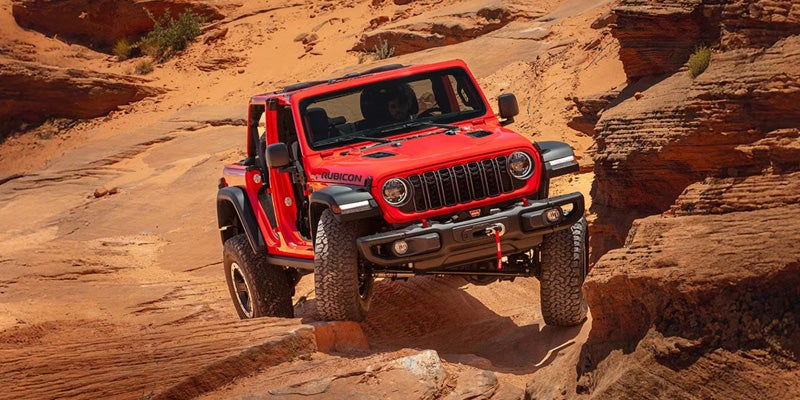
A red Jeep Wrangler driving on rocky terrain in a desert landscape.

Are you shopping for a new vehicle and debating AWD vs FWD? Many drivers face this common question, and the answer depends on your driving habits. Understanding the difference between these two systems helps you make a confident purchase. Here at Fitzgerald Auto Malls, we want to help you find the perfect setup. Contact our team today to learn more about the drivetrain options that best suit your lifestyle.

What Is Front-Wheel Drive and How Does It Work?

Front-wheel drive is the most common drivetrain setup for passenger cars and crossovers. The engine sends power exclusively to the front wheels, which handle both steering and acceleration. This configuration is generally lighter, more fuel-efficient, and less expensive to maintain. For everyday commuting on paved roads, FWD delivers a smooth, economical ride for drivers who stick to city streets and highways. It is a practical option for buyers focused on efficiency.

What Is All-Wheel Drive and When Does It Shine?

All-wheel drive sends power to all four wheels, continuously or on demand. This system gives your vehicle better traction on slippery, loose, or uneven roads. AWD automatically adjusts torque distribution to maintain stability and control. When comparing AWD vs FWD in challenging conditions like rain, snow, gravel, or light trails, AWD provides a clear advantage. The vehicle responds to changing surfaces automatically, adding confidence when you navigate wet pavement or muddy back roads.

How Jeep Handles AWD vs FWD Across Its Lineup

Jeep provides multiple drivetrain options across its 2026 lineup to match your specific needs. The 2026 Jeep Compass offers capable everyday performance and excellent handling. Upgrading to the 2026 Jeep Grand Cherokee gives you a vehicle designed for refined on-road driving and capable off-road performance with available AWD configurations. The Jeep Wrangler takes capability further with a purpose-built 4x4 system that surpasses traditional AWD. For drivers who want to explore trails rather than simply navigating slick roads, the Wrangler system stands in a class of its own.

Which Drivetrain Should You Choose?

Choosing between AWD vs FWD comes down to your primary driving environment. If you mostly drive on paved roads in mild weather, FWD easily meets your needs. If you deal with seasonal snow, live near unpaved areas, or enjoy light adventure driving, AWD represents a smarter investment. AWD systems add weight and affect fuel economy slightly. If efficiency is your top priority, the simpler FWD setup wins out. If you desire peace of mind in variable conditions, AWD justifies the trade-off.

Neither AWD nor FWD is universally better, as your choice depends entirely on your lifestyle and environment. Jeep offers a diverse lineup to give you the flexibility to find the exact drivetrain you need. Browse our online inventory at Fitzgerald Auto Malls to explore the full selection of Jeep models and find the perfect match for your daily commute.



Posted in:

Related Posts

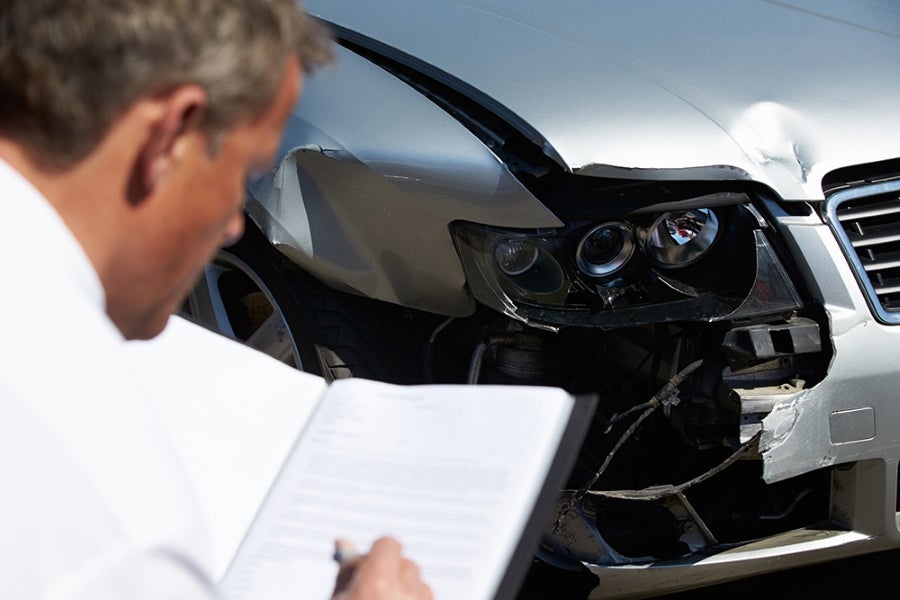
A person inspecting a damaged car while taking notes.

What to Expect When Getting a Collision Repair Estimate

Being in an accident is scary enough. Getting a collision repair estimate after an accident is overwhelming too, especially if you've never been through the process before. We’ll show you what to expect ahead of time, so in case the unexpected happens, the experience will hopefully be far less stressful so you can make clear-headed decisions about your vehicle. Why a Collision Repair Estimate Matters A collision repair estimate is more than just a price quote—it's a detailed breakdown of what your vehicle needs to get back to pre-accident condition. Understanding this document helps you communicate more effectively with your repair shop and your insurance company. Without an accurate estimate, repairs can be delayed, costs can balloon, and the quality of work may fall short of what you deserve. What Happens During the Estimate Process When you bring your vehicle in for a collision repair estimate, a trained technician will inspect the visible and hidden damage to your car. They'll document everything from dented panels and scratched paint to structural concerns that aren't always obvious at first glance. This initial inspection is one of the most important steps in the auto body repair process because it sets the foundation for every decision that follows. At Fitzgerald Auto Malls, the goal is always transparency. Technicians walk you through what they find and explain why each repair is necessary, so you're never left guessing about what's going into your estimate. Understanding the Breakdown of Costs A thorough collision repair estimate will typically outline labor costs, parts costs, and any materials needed for paint matching or surface preparation. Labor rates can vary depending on the complexity of the damage and the type of vehicle involved. Parts may be OEM (original equipment manufacturer), aftermarket, or reconditioned, and the difference matters for both fit and longevity. The auto body repair process also often involves supplemental estimates—additional charges discovered once a vehicle is disassembled and deeper damage is uncovered. This is normal and expected, so don't be caught off guard if the final cost adjusts slightly from the original quote. Working With Your Insurance Company Most drivers rely on their insurance coverage to help manage collision repair costs. Your insurer may send their own adjuster to review the damage, or they may accept an estimate from a Certified repair facility directly. Either way, your collision repair estimate is the key document that drives the claims process forward. It's important to review your estimate carefully before signing off on any repairs. Ask questions if something is unclear, get a second opinion if anything feels off, and make sure the shop you choose has experience working with your insurance provider. Choosing the Right Repair Shop Not all collision repair shops operate the same way. Certifications, equipment, and experience all play a role in the quality of work you'll receive. Look for a shop that uses proper diagnostic tools, employs Certified technicians, and offers a clear warranty on completed repairs. Shops that are transparent about their auto body repair process from the start are usually the ones that deliver the best results. Visit Fitzgerald Auto Malls for Your Collision Repair Estimate When you need a reliable collision repair estimate, the team at Fitzgerald Auto Malls is ready to help. With a commitment to honest assessments and quality workmanship, Fitzgerald Auto Malls is a trusted resource for drivers looking to get their vehicle back on the road the right way. Reach out today to schedule your estimate and take the first step toward a smooth, stress-free repair experience.

A man and a woman are examining a car in a car dealership. The man is smiling and pointing at the car's surface while the woman looks on, also smiling.

Car Mileage vs. Age: Which Matters More When Buying a Vehicle?

When you're ready to find a new-to-you vehicle, one of the most common questions buyers face is whether car mileage vs. age should be the deciding factor. It's a great question, and the honest answer is that both matter—but in different ways depending on what you're looking for. Understanding how these two factors work together can help you make a smarter, more confident purchase. Whether you're browsing new models or comparing used car mileage on a pre-owned option, knowing what to look for puts you in a better position. Why Mileage Gets So Much Attention When most people think about used car mileage, they focus on the odometer reading as a quick indicator of wear and tear. And there's good reason for that. Higher mileage generally means more stress on the engine, transmission, brakes, and other key components. That said, mileage alone doesn't tell the whole story. A vehicle with 80,000 miles that was driven mostly on the highway and serviced regularly can actually be in better shape than one with 50,000 miles of hard city driving and spotty maintenance. How Age Factors Into the Equation Age plays a different but equally important role in the car mileage vs. age conversation. Older vehicles are subject to time-related wear, regardless of how many miles they've traveled. Rubber seals, belts, hoses, and other components can degrade simply from sitting - or from years of heat, cold, and humidity exposure. A 10-year-old vehicle with only 30,000 miles might sound appealing at first. But those low miles could mean the car sat unused for long stretches, which can actually cause its own set of mechanical issues. Context matters. What Matters Most: Maintenance History Regardless of where a vehicle falls in the car mileage vs. age debate, maintenance history is arguably the most reliable indicator of long-term value. A vehicle that’s been regularly serviced with oil changes, tire rotations, and inspections done on schedule, will typically outlast one that hasn't, no matter the age or mileage. When evaluating any vehicle, ask for service records. If they're not available, that's a red flag worth noting. A well-documented history gives you real insight into how the vehicle was cared for over time. Tips for Evaluating Any Vehicle There are a few practical steps you can take to evaluate a vehicle beyond just the odometer reading and model year. Ask for a Vehicle History Report, which can reveal accident history, ownership changes, and service records. Especially if you’re not super mechanically inclined, having a trusted mechanic inspect the vehicle before you commit is always smart. Pay attention to tire wear, fluid conditions, and any visible rust. These details often reveal more than a number on a dashboard ever could. If you're considering a new vehicle, Hyundai backs its lineup with America's Best Warranty—coverage for up to 10 years or 100,000 miles—giving you long-term peace of mind from day one. New models also come with 5 years of 24/7 roadside assistance with no mileage cap, which is a meaningful benefit for any driver. Knowledge is Power When it comes to car mileage vs age, there's no single right answer—but being informed makes all the difference. Used car mileage and vehicle age are both useful data points, but they work best when evaluated alongside maintenance history, condition, and your own driving needs. Our teams at Fitzgerald Auto Malls are ready to help you weigh all the factors and find a vehicle that fits your life and budget. Visit https://www.fitzmall.com/ to explore new and pre-owned inventory and get started today.

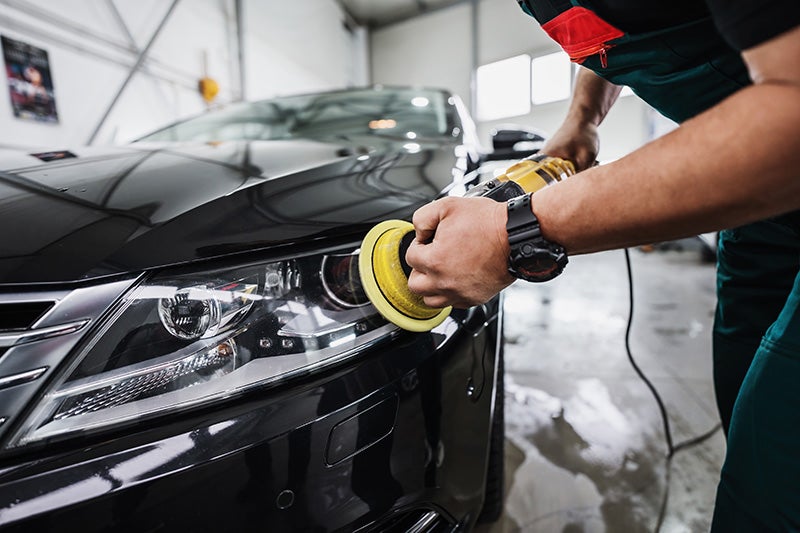
A person polishing the headlight of a black car using a rotary buffer in a garage.

Car Headlights for Fall Driving: What You Need to Know This Season

As the days grow shorter and daylight saving time approaches, proper car headlights for fall driving become more important than ever. Reduced visibility, earlier sunsets, fog, rain, and glare from wet pavement are all conditions drivers face during the autumn months—and your headlights are your first line of defense, right behind your brakes. Why Fall Changes How You Use Your Headlights Car headlights for fall driving work harder than they do during summer. The sun sits lower in the sky, which creates harsh glare during morning and evening commutes. At the same time, leaves on the road can become a reflective hazard after rain, and fog settles more frequently in valleys and along rural stretches. Many drivers don't realize just how much visibility changes between seasons. Turning your headlights on earlier—even during dusk—can make a real difference in how well other drivers and pedestrians can see you. The Importance of a Headlight Inspection Before Fall One of the smartest things you can do before autumn sets in is schedule a headlight inspection. Over time, headlight lenses can become yellowed or oxidized, which reduces the light output significantly even if the bulbs themselves are still working. A technician can assess lens condition, bulb brightness, and aim alignment. A headlight inspection should also include checking that all exterior lights are functioning properly. That includes fog lights, turn signals, and brake lights. If any bulb is out or dim, replacing it before fall arrives keeps you and other drivers safer. Understanding Different Headlight Types Modern vehicles come equipped with a range of headlight technologies. Halogen bulbs are the most common and the most affordable to replace. LED headlights offer brighter, longer-lasting illumination and are found on many newer models, including Cadillac's electric lineup like the LYRIQ and OPTIQ. High-intensity discharge lights, sometimes called xenon lights, provide a wide beam but require professional replacement. Knowing what type of headlights your vehicle has helps you choose the right replacement bulb and understand expected light output. When in doubt, your service team can walk you through the options that work best for your specific vehicle. Tips for Maximizing Headlight Performance This Fall Beyond a headlight inspection, there are simple habits that improve visibility during fall driving. Keep your headlight lenses clean—road grime and bug residue from summer can coat lenses and reduce brightness. If oxidation has built up, a professional polishing or lens restoration service can restore clarity. Make sure your headlights are aimed correctly. Misaligned headlights can blind oncoming traffic or point too far down, limiting how far ahead you can see. Both issues are easy fixes for a qualified service technician. Also, consider using your headlights whenever visibility is reduced, even if it's not completely dark. Many states require headlights when windshield wipers are in use, a rule that reflects how much weather affects driving safety in fall. When It's Time to Replace Your Headlights If your car headlights for fall driving appear dim, flicker, or produce an uneven beam, it's likely time for a replacement. Bulbs that are near the end of their life may still turn on but deliver far less light than they should. Replacing them before they fail completely is always the safer choice. Visit Fitzgerald Auto Malls for a Headlight Check This Fall Staying safe on the road this season starts with making sure your lights are working at their best. Stop by Fitzgerald Auto Malls for a professional headlight inspection and let the service team help you drive confidently into fall. Whether you need a simple bulb swap or a full lens restoration, the team is ready to help you stay visible and drive safely all season long.