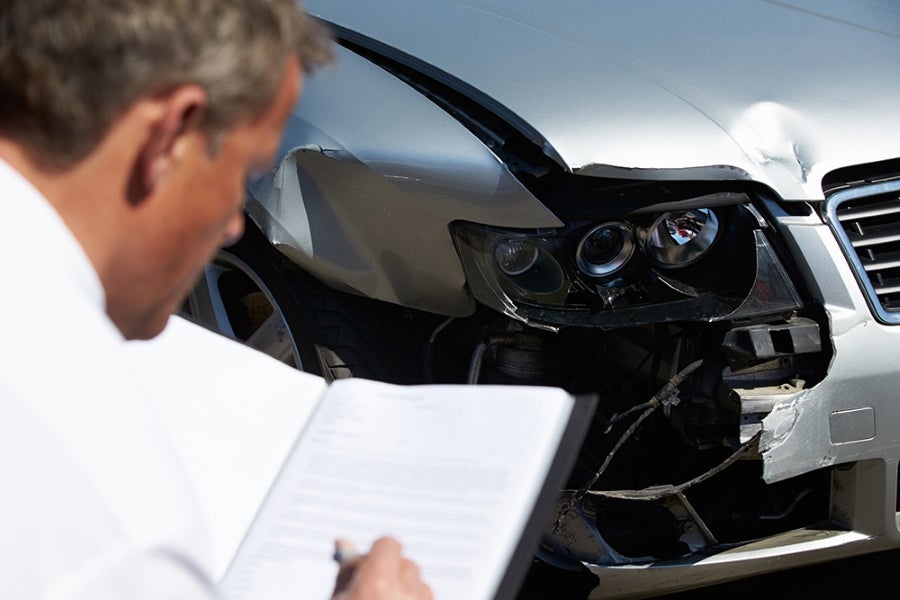
Being in an accident is scary enough. Getting a collision repair estimate after an accident is overwhelming too, especially if you've never been through the process before. We’ll show you what to expect ahead of time, so in case the unexpected happens, the experience will hopefully be far less stressful so you can make clear-headed decisions about your vehicle. Why a Collision Repair Estimate Matters A collision repair estimate is more than just a price quote—it's a detailed breakdown of what your vehicle needs to get back to pre-accident condition. Understanding this document helps you communicate more effectively with your repair shop and your insurance company. Without an accurate estimate, repairs can be delayed, costs can balloon, and the quality of work may fall short of what you deserve. What Happens During the Estimate Process When you bring your vehicle in for a collision repair estimate, a trained technician will inspect the visible and hidden damage to your car. They'll document everything from dented panels and scratched paint to structural concerns that aren't always obvious at first glance. This initial inspection is one of the most important steps in the auto body repair process because it sets the foundation for every decision that follows. At Fitzgerald Auto Malls, the goal is always transparency. Technicians walk you through what they find and explain why each repair is necessary, so you're never left guessing about what's going into your estimate. Understanding the Breakdown of Costs A thorough collision repair estimate will typically outline labor costs, parts costs, and any materials needed for paint matching or surface preparation. Labor rates can vary depending on the complexity of the damage and the type of vehicle involved. Parts may be OEM (original equipment manufacturer), aftermarket, or reconditioned, and the difference matters for both fit and longevity. The auto body repair process also often involves supplemental estimates—additional charges discovered once a vehicle is disassembled and deeper damage is uncovered. This is normal and expected, so don't be caught off guard if the final cost adjusts slightly from the original quote. Working With Your Insurance Company Most drivers rely on their insurance coverage to help manage collision repair costs. Your insurer may send their own adjuster to review the damage, or they may accept an estimate from a Certified repair facility directly. Either way, your collision repair estimate is the key document that drives the claims process forward. It's important to review your estimate carefully before signing off on any repairs. Ask questions if something is unclear, get a second opinion if anything feels off, and make sure the shop you choose has experience working with your insurance provider. Choosing the Right Repair Shop Not all collision repair shops operate the same way. Certifications, equipment, and experience all play a role in the quality of work you'll receive. Look for a shop that uses proper diagnostic tools, employs Certified technicians, and offers a clear warranty on completed repairs. Shops that are transparent about their auto body repair process from the start are usually the ones that deliver the best results. Visit Fitzgerald Auto Malls for Your Collision Repair Estimate When you need a reliable collision repair estimate, the team at Fitzgerald Auto Malls is ready to help. With a commitment to honest assessments and quality workmanship, Fitzgerald Auto Malls is a trusted resource for drivers looking to get their vehicle back on the road the right way. Reach out today to schedule your estimate and take the first step toward a smooth, stress-free repair experience.