

Fitzgerald Auto Malls

Blog / Fall Driving Tips

Blog

All Fall Driving Tips Fitzgerald Auto Malls Car Buying Tips SUVs Car Safety Fitzgerald Auto Malls Service Best Family SUVs Nissan SUVs Rockville Hyundai Dealer Sedans Tips 2026 Hyundai Hybrid vehicles AWD vs FWD Best Family Vehicles Best Family Vehicles for Adventures in Rockville, MD Best Trucks for Towing in Rockville, MD Car Mileage vs. Age Car Safety Features car technology features car Trade-in Certified Pre-Owned Collision Repair Fuel-Efficient SUVs Hybrid SUVs Jeep SUVs Kia Models New Inventory New Mazda models Nissan Murano® Road Trip SUVs for Summer 2026 in Rockville, MD Rockville Mazda Dealer Spring Car Deals Summer Car Maintenance Tips Summer Road Trip Checklist SUV vs Sedan Tax Refund Car Buying Tips Top Fuel-Efficient SUVs and Hybrid SUVs for 2026 Toyota Trucks Trucks Use Cars Used Car Test Drive Checklist
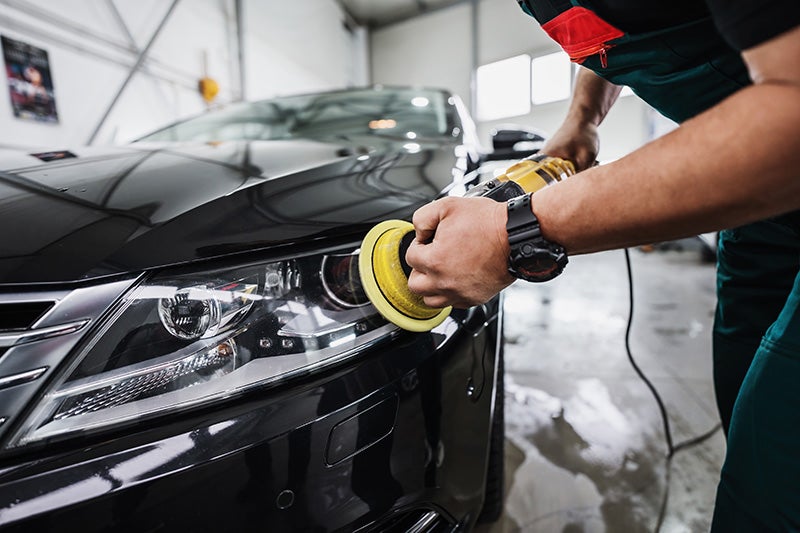
A person polishing the headlight of a black car using a rotary buffer in a garage.

Car Headlights for Fall Driving: What You Need to Know This Season

As the days grow shorter and daylight saving time approaches, proper car headlights for fall driving become more important than ever. Reduced visibility, earlier sunsets, fog, rain, and glare from wet pavement are all conditions drivers face during the autumn months—and your headlights are your first line of defense, right behind your brakes. Why Fall Changes How You Use Your Headlights Car headlights for fall driving work harder than they do during summer. The sun sits lower in the sky, which creates harsh glare during morning and evening commutes. At the same time, leaves on the road can become a reflective hazard after rain, and fog settles more frequently in valleys and along rural stretches. Many drivers don't realize just how much visibility changes between seasons. Turning your headlights on earlier—even during dusk—can make a real difference in how well other drivers and pedestrians can see you. The Importance of a Headlight Inspection Before Fall One of the smartest things you can do before autumn sets in is schedule a headlight inspection. Over time, headlight lenses can become yellowed or oxidized, which reduces the light output significantly even if the bulbs themselves are still working. A technician can assess lens condition, bulb brightness, and aim alignment. A headlight inspection should also include checking that all exterior lights are functioning properly. That includes fog lights, turn signals, and brake lights. If any bulb is out or dim, replacing it before fall arrives keeps you and other drivers safer. Understanding Different Headlight Types Modern vehicles come equipped with a range of headlight technologies. Halogen bulbs are the most common and the most affordable to replace. LED headlights offer brighter, longer-lasting illumination and are found on many newer models, including Cadillac's electric lineup like the LYRIQ and OPTIQ. High-intensity discharge lights, sometimes called xenon lights, provide a wide beam but require professional replacement. Knowing what type of headlights your vehicle has helps you choose the right replacement bulb and understand expected light output. When in doubt, your service team can walk you through the options that work best for your specific vehicle. Tips for Maximizing Headlight Performance This Fall Beyond a headlight inspection, there are simple habits that improve visibility during fall driving. Keep your headlight lenses clean—road grime and bug residue from summer can coat lenses and reduce brightness. If oxidation has built up, a professional polishing or lens restoration service can restore clarity. Make sure your headlights are aimed correctly. Misaligned headlights can blind oncoming traffic or point too far down, limiting how far ahead you can see. Both issues are easy fixes for a qualified service technician. Also, consider using your headlights whenever visibility is reduced, even if it's not completely dark. Many states require headlights when windshield wipers are in use, a rule that reflects how much weather affects driving safety in fall. When It's Time to Replace Your Headlights If your car headlights for fall driving appear dim, flicker, or produce an uneven beam, it's likely time for a replacement. Bulbs that are near the end of their life may still turn on but deliver far less light than they should. Replacing them before they fail completely is always the safer choice. Visit Fitzgerald Auto Malls for a Headlight Check This Fall Staying safe on the road this season starts with making sure your lights are working at their best. Stop by Fitzgerald Auto Malls for a professional headlight inspection and let the service team help you drive confidently into fall. Whether you need a simple bulb swap or a full lens restoration, the team is ready to help you stay visible and drive safely all season long.

A mechanic smiling while holding a tablet, working on a car in an automotive workshop.

Fall Driving Tips: How to Prepare Your Vehicle for the Season

Why Fall Driving Deserves Extra Attention When leaves turn and temperatures drop, driving conditions change fast. Fall brings unique hazards like wet roads, fallen leaves, reduced visibility, and early frost that catch drivers off guard. Following smart driving tips helps you stay safer and avoid costly repairs. If you commute daily or plan a road trip this season, preparing your car is a smart move. Drivers can reach out to the experts at Fitzgerald Auto Malls for a comprehensive inspection. Contact our team today to ensure your vehicle is fully ready for the road ahead. Check Your Tires First Tires act as your first line of defense on slippery road surfaces. As temperatures drop, tire pressure decreases by roughly one pound per square inch for every 10-degree drop. Check your tire pressure regularly and inflate it to the recommended levels found in your manual. Inspecting your tread depth is also crucial. Worn tires, wet leaves, and early rain significantly reduce traction. Drivers in regions with heavy snow or ice should switch to winter tires before conditions worsen. Test Your Battery and Electrical System Cold weather puts extra strain on a vehicle battery. Have a trusted service center test your battery if it is more than three years old. A battery performing fine in summer often struggles to start an engine on a cold morning. Remember to check your headlights and taillights. Shorter days mean driving in lower light more often. Ensure all bulbs work and clean your lenses for maximum visibility. Inspect Your Brakes and Fluids Your braking system requires a close look before the season changes. Wet pavement, slick leaves, and lower visibility reduce stopping distances. Have your brakes inspected promptly if you notice squealing, grinding, or longer stopping times. Take this opportunity to check your fluid levels. Antifreeze, windshield washer fluid, and engine oil play vital roles in colder weather. Topping off and flushing fluids helps your vehicle run reliably during temperature fluctuations. Refresh Your Wiper Blades and Visibility Gear Fall rain and early fog make visibility a real challenge. Wiper blades wear down over time, and summer heat leaves them cracked or stiff. Replace them before fall sets in so they can handle heavy rain and frost. Keep your windshield washer fluid reservoir full with a cold-rated formula. A quality ice scraper and a small bag of traction sand in your trunk serve as lifesavers during unexpected weather shifts. Prepare an Emergency Kit for Your Vehicle Assembling a roadside emergency kit remains a highly overlooked fall driving tip. A well-stocked kit includes jumper cables, a flashlight, a first aid kit, reflective triangles, and a blanket. Fall weather proves unpredictable, and having these basics provides peace of mind anywhere you drive. To fully prepare your car for autumn, stop by Fitzgerald Auto Malls to schedule a seasonal vehicle inspection or view our digital showroom for a well-maintained vehicle ready for any season.

Contact Us

Fill out this form below and we'll contact you shortly
*Required Fields