Jack Fitzgerald of Fitzgerald Auto Malls Named “Hero of the Week” by Congressman Jamie Raskin



Why Fall Driving Deserves Extra Attention When leaves turn and temperatures drop, driving conditions change fast. Fall brings unique hazards like wet roads, fallen leaves, reduced visibility, and early frost that catch drivers off guard. Following smart driving tips helps you stay safer and avoid costly repairs. If you commute daily or plan a road trip this season, preparing your car is a smart move. Drivers can reach out to the experts at Fitzgerald Auto Malls for a comprehensive inspection. Contact our team today to ensure your vehicle is fully ready for the road ahead. Check Your Tires First Tires act as your first line of defense on slippery road surfaces. As temperatures drop, tire pressure decreases by roughly one pound per square inch for every 10-degree drop. Check your tire pressure regularly and inflate it to the recommended levels found in your manual. Inspecting your tread depth is also crucial. Worn tires, wet leaves, and early rain significantly reduce traction. Drivers in regions with heavy snow or ice should switch to winter tires before conditions worsen. Test Your Battery and Electrical System Cold weather puts extra strain on a vehicle battery. Have a trusted service center test your battery if it is more than three years old. A battery performing fine in summer often struggles to start an engine on a cold morning. Remember to check your headlights and taillights. Shorter days mean driving in lower light more often. Ensure all bulbs work and clean your lenses for maximum visibility. Inspect Your Brakes and Fluids Your braking system requires a close look before the season changes. Wet pavement, slick leaves, and lower visibility reduce stopping distances. Have your brakes inspected promptly if you notice squealing, grinding, or longer stopping times. Take this opportunity to check your fluid levels. Antifreeze, windshield washer fluid, and engine oil play vital roles in colder weather. Topping off and flushing fluids helps your vehicle run reliably during temperature fluctuations. Refresh Your Wiper Blades and Visibility Gear Fall rain and early fog make visibility a real challenge. Wiper blades wear down over time, and summer heat leaves them cracked or stiff. Replace them before fall sets in so they can handle heavy rain and frost. Keep your windshield washer fluid reservoir full with a cold-rated formula. A quality ice scraper and a small bag of traction sand in your trunk serve as lifesavers during unexpected weather shifts. Prepare an Emergency Kit for Your Vehicle Assembling a roadside emergency kit remains a highly overlooked fall driving tip. A well-stocked kit includes jumper cables, a flashlight, a first aid kit, reflective triangles, and a blanket. Fall weather proves unpredictable, and having these basics provides peace of mind anywhere you drive. To fully prepare your car for autumn, stop by Fitzgerald Auto Malls to schedule a seasonal vehicle inspection or view our digital showroom for a well-maintained vehicle ready for any season.
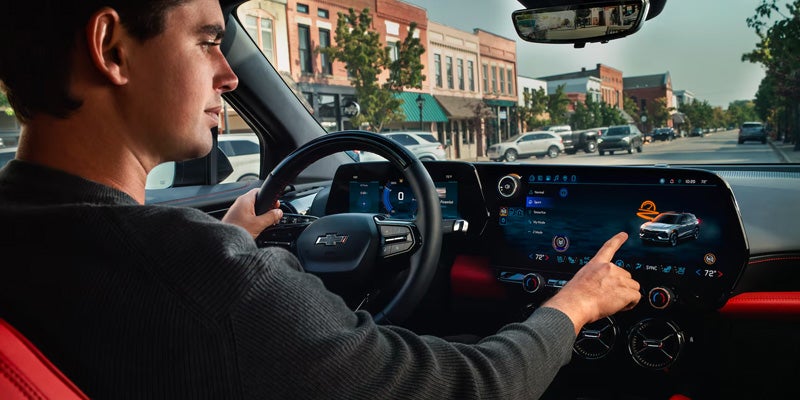
Why Modern Vehicle Safety Technology Matters More Than Ever Modern vehicles boast advanced safety features that actively protect you on the road. If you commute daily or take weekend road trips, understanding these systems helps you make an informed buying decision. At Fitzgerald Auto Malls in Frederick, Maryland, we offer Chevrolet's current lineup packed with driver-assist options designed to keep passengers secure. Contact our team today to learn how these innovations can elevate your driving experience. Forward Collision Alert and Automatic Emergency Braking Automatic emergency braking stands out as a crucial safety innovation. This system monitors the road ahead and applies the brakes automatically if it detects an impending collision. Forward collision alert complements this by providing visual and audio warnings before a critical situation develops. These systems prove especially valuable in stop-and-go traffic. Many Chevrolet models, such as the Silverado and Equinox, include these features. Lane Keep Assist and Lane Departure Warning Lane keep assist detects lane markings and gently steers your vehicle back if you drift without signaling. Lane departure warning notifies you before making any corrections, allowing you to respond manually. These tools help reduce driver fatigue during long highway trips. Models like the 2027 Traverse and 2026 Blazer feature this technology, simplifying highway navigation. Rear Cross-Traffic Alert and Blind-Zone Monitoring Safety features excel when you back out of busy parking lots. Rear cross-traffic alert warns you of approaching vehicles or pedestrians as you reverse. Blind-zone monitoring uses side mirror indicators to alert you when a vehicle enters your blind spot during lane changes. These systems assist drivers of larger SUVs, where rear and side visibility present challenges. The Chevrolet Tahoe and Suburban offer these driver-assist systems. Surround Vision and Parking Cameras Available surround vision cameras eliminate the stress of parking in tight spaces. These systems combine multiple camera feeds to display a bird's-eye view of your vehicle's surroundings. This technology prevents minor scrapes in crowded urban environments. Compact models like the 2026 Trax offer rearview camera systems as well. Teen Driver Technology Chevrolet offers an available Teen Driver system for families with new drivers. This feature allows parents to set speed alerts, limit audio volume, and view an in-vehicle report card detailing driving habits. This practical tool provides parents with peace of mind. Stay Connected With the Right Features Understanding these safety systems prepares you to select a vehicle that matches your priorities. If you need a compact SUV, a full-size truck, or an electric model, Chevrolet provides numerous options with meaningful safety technology. These vehicles also integrate seamlessly with brands like Apple CarPlay© and Android Auto© to keep your focus on the road. Visit Fitzgerald Auto Malls to explore the Chevrolet lineup and speak with our staff about finding a vehicle equipped with your preferred safety features.

Are you shopping for a new vehicle and debating AWD vs FWD? Many drivers face this common question, and the answer depends on your driving habits. Understanding the difference between these two systems helps you make a confident purchase. Here at Fitzgerald Auto Malls, we want to help you find the perfect setup. Contact our team today to learn more about the drivetrain options that best suit your lifestyle. What Is Front-Wheel Drive and How Does It Work? Front-wheel drive is the most common drivetrain setup for passenger cars and crossovers. The engine sends power exclusively to the front wheels, which handle both steering and acceleration. This configuration is generally lighter, more fuel-efficient, and less expensive to maintain. For everyday commuting on paved roads, FWD delivers a smooth, economical ride for drivers who stick to city streets and highways. It is a practical option for buyers focused on efficiency. What Is All-Wheel Drive and When Does It Shine? All-wheel drive sends power to all four wheels, continuously or on demand. This system gives your vehicle better traction on slippery, loose, or uneven roads. AWD automatically adjusts torque distribution to maintain stability and control. When comparing AWD vs FWD in challenging conditions like rain, snow, gravel, or light trails, AWD provides a clear advantage. The vehicle responds to changing surfaces automatically, adding confidence when you navigate wet pavement or muddy back roads. How Jeep Handles AWD vs FWD Across Its Lineup Jeep provides multiple drivetrain options across its 2026 lineup to match your specific needs. The 2026 Jeep Compass offers capable everyday performance and excellent handling. Upgrading to the 2026 Jeep Grand Cherokee gives you a vehicle designed for refined on-road driving and capable off-road performance with available AWD configurations. The Jeep Wrangler takes capability further with a purpose-built 4x4 system that surpasses traditional AWD. For drivers who want to explore trails rather than simply navigating slick roads, the Wrangler system stands in a class of its own. Which Drivetrain Should You Choose? Choosing between AWD vs FWD comes down to your primary driving environment. If you mostly drive on paved roads in mild weather, FWD easily meets your needs. If you deal with seasonal snow, live near unpaved areas, or enjoy light adventure driving, AWD represents a smarter investment. AWD systems add weight and affect fuel economy slightly. If efficiency is your top priority, the simpler FWD setup wins out. If you desire peace of mind in variable conditions, AWD justifies the trade-off. Neither AWD nor FWD is universally better, as your choice depends entirely on your lifestyle and environment. Jeep offers a diverse lineup to give you the flexibility to find the exact drivetrain you need. Browse our online inventory at Fitzgerald Auto Malls to explore the full selection of Jeep models and find the perfect match for your daily commute.