
Fitzgerald Auto Malls

Blog / car technology features

Must-Have Car Technology Features for 2026

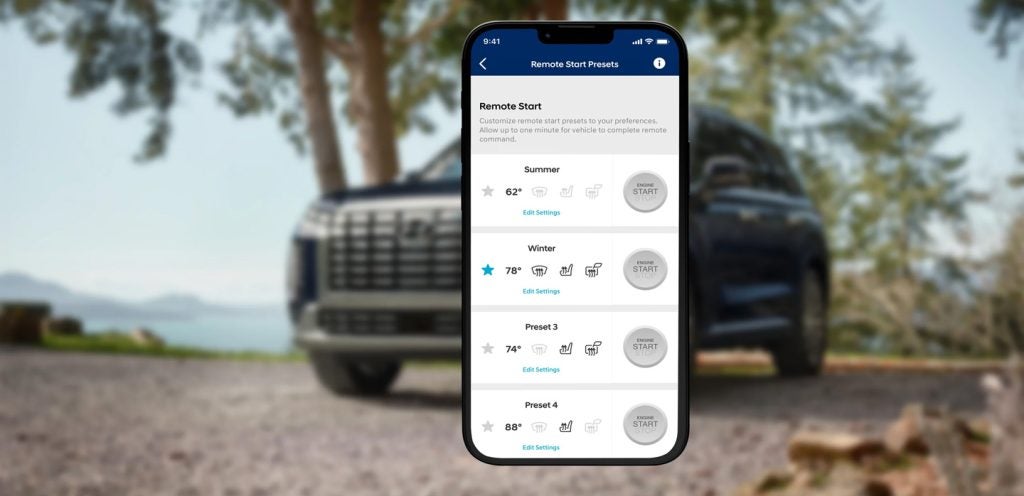
Smartphone displaying remote start presets with a parked SUV in the background.

If you're shopping for a new vehicle this year, the new car technology that 2026 models bring to the table is a major deciding factor influencing buying decisions. From smarter connectivity to more intuitive safety systems, today's vehicles are packed with features that make driving more convenient, comfortable, and just plain fun. Here's a look at what buyers are prioritizing right now.

Connected Car Services Are Now Standard Expectations

Drivers today expect their vehicle to work as seamlessly as their smartphone. Connected services like Hyundai's Bluelink+ allow owners to remotely start their vehicle, unlock doors, and adjust climate control—all from a mobile app at no extra cost. It also provides emergency services like SOS calls when you need it. These features were once considered premium add-ons, but in 2026, they're quickly becoming baseline expectations for new car buyers across all segments. The car technology 2026 shoppers are researching goes well beyond basic infotainment.

Advanced Driver Assistance Features Are a Top Priority

Safety technology has come a long way, and advanced driver assistance features are now among the most-requested items on any buyer's checklist. Shoppers want Lane-Keeping Assist, Forward Collision Warning, Blind-Spot Monitoring, and Adaptive Cruise Control built into the vehicle from the start. The 2026 Hyundai Tucson, for example, earned a 2026 NHTSA 5-Star Overall Safety Rating—a testament to how seriously automakers are taking driver and passenger protection this model year.

In-Vehicle Payment and Smart Convenience Tools

One of the more interesting pieces of car technology 2026 brings to the market is in-vehicle payment capability. Hyundai Pay, available on select models, lets drivers pay for parking, charging, and gas directly through the touchscreen without reaching for a wallet or phone. It connects through the MyHyundai app and an active Bluelink subscription, making routine stops faster and more efficient. Features like this reflect a broader shift toward vehicles that actively reduce inconvenience and streamline your everyday life.

Electrification and Charging Technology

More buyers than ever are considering electric or hybrid vehicles, and charging technology is central to that conversation. The 2026 Hyundai IONIQ 9, for instance, supports ultra-fast charging from 10% to 80% in approximately 24 minutes on a compatible 350-kW DC fast charger. With an EPA-estimated range of up to 335 miles, it addresses one of the biggest concerns drivers have about making the switch to electric. Advanced driver assistance features in these EV models are just as robust as their gas-powered counterparts.

Flexible Buying Tools That Match Modern Lifestyles

Car technology in 2026 doesn't stop at what's inside the vehicle—it also includes how you buy it. Programs like Hyundai Shopper Assurance offer transparent online pricing, at-home test drives, digital financing tools, and a 3-day worry-free exchange policy. Buyers can complete much of the purchase process online before ever setting foot in a showroom. This kind of purchasing flexibility is becoming just as important to shoppers as the features on the window sticker.

Warranty and Ownership Confidence

Buyers are also placing greater value on long-term ownership support. Hyundai's America's Best Warranty provides coverage for up to 10 years or 100,000 miles, giving drivers peace of mind well after the purchase is complete. Paired with 24/7 roadside assistance for 5 years with no mileage cap, these ownership benefits reinforce the overall value of investing in new car technology rather than holding onto an older model.

Find the Right Technology-Packed Vehicle at Fitzgerald Auto Malls

The car technology 2026 buyers are searching for is available now across a wide range of new models. Whether you're drawn to electric vehicles, hybrid efficiency, or the latest connected safety systems, Fitzgerald Auto Malls can help you find the right fit. Visit us to explore current inventory and take the next step toward a smarter, better-connected drive.

Posted in:

Related Posts

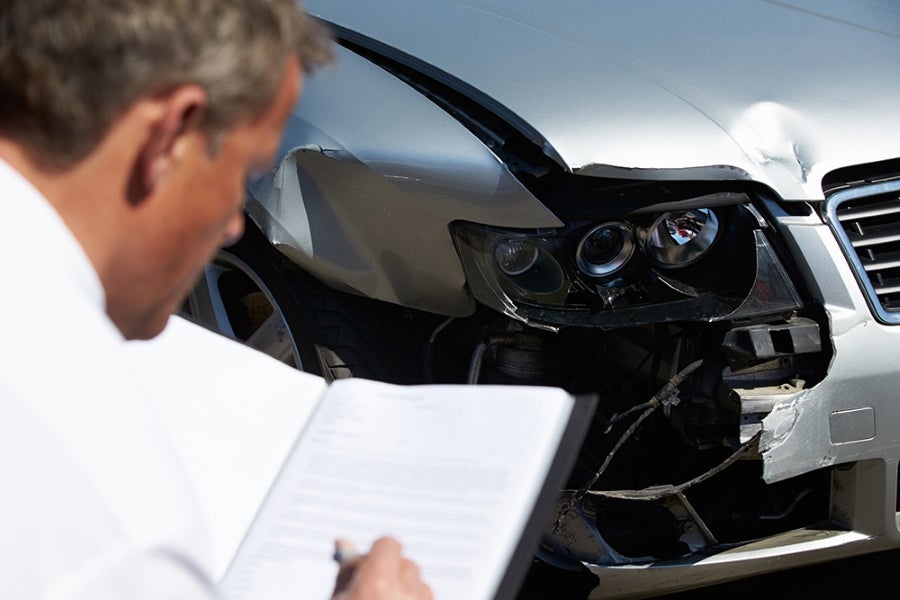
A person inspecting a damaged car while taking notes.

What to Expect When Getting a Collision Repair Estimate

Being in an accident is scary enough. Getting a collision repair estimate after an accident is overwhelming too, especially if you've never been through the process before. We’ll show you what to expect ahead of time, so in case the unexpected happens, the experience will hopefully be far less stressful so you can make clear-headed decisions about your vehicle. Why a Collision Repair Estimate Matters A collision repair estimate is more than just a price quote—it's a detailed breakdown of what your vehicle needs to get back to pre-accident condition. Understanding this document helps you communicate more effectively with your repair shop and your insurance company. Without an accurate estimate, repairs can be delayed, costs can balloon, and the quality of work may fall short of what you deserve. What Happens During the Estimate Process When you bring your vehicle in for a collision repair estimate, a trained technician will inspect the visible and hidden damage to your car. They'll document everything from dented panels and scratched paint to structural concerns that aren't always obvious at first glance. This initial inspection is one of the most important steps in the auto body repair process because it sets the foundation for every decision that follows. At Fitzgerald Auto Malls, the goal is always transparency. Technicians walk you through what they find and explain why each repair is necessary, so you're never left guessing about what's going into your estimate. Understanding the Breakdown of Costs A thorough collision repair estimate will typically outline labor costs, parts costs, and any materials needed for paint matching or surface preparation. Labor rates can vary depending on the complexity of the damage and the type of vehicle involved. Parts may be OEM (original equipment manufacturer), aftermarket, or reconditioned, and the difference matters for both fit and longevity. The auto body repair process also often involves supplemental estimates—additional charges discovered once a vehicle is disassembled and deeper damage is uncovered. This is normal and expected, so don't be caught off guard if the final cost adjusts slightly from the original quote. Working With Your Insurance Company Most drivers rely on their insurance coverage to help manage collision repair costs. Your insurer may send their own adjuster to review the damage, or they may accept an estimate from a Certified repair facility directly. Either way, your collision repair estimate is the key document that drives the claims process forward. It's important to review your estimate carefully before signing off on any repairs. Ask questions if something is unclear, get a second opinion if anything feels off, and make sure the shop you choose has experience working with your insurance provider. Choosing the Right Repair Shop Not all collision repair shops operate the same way. Certifications, equipment, and experience all play a role in the quality of work you'll receive. Look for a shop that uses proper diagnostic tools, employs Certified technicians, and offers a clear warranty on completed repairs. Shops that are transparent about their auto body repair process from the start are usually the ones that deliver the best results. Visit Fitzgerald Auto Malls for Your Collision Repair Estimate When you need a reliable collision repair estimate, the team at Fitzgerald Auto Malls is ready to help. With a commitment to honest assessments and quality workmanship, Fitzgerald Auto Malls is a trusted resource for drivers looking to get their vehicle back on the road the right way. Reach out today to schedule your estimate and take the first step toward a smooth, stress-free repair experience.

A man and a woman are examining a car in a car dealership. The man is smiling and pointing at the car's surface while the woman looks on, also smiling.

Car Mileage vs. Age: Which Matters More When Buying a Vehicle?

When you're ready to find a new-to-you vehicle, one of the most common questions buyers face is whether car mileage vs. age should be the deciding factor. It's a great question, and the honest answer is that both matter—but in different ways depending on what you're looking for. Understanding how these two factors work together can help you make a smarter, more confident purchase. Whether you're browsing new models or comparing used car mileage on a pre-owned option, knowing what to look for puts you in a better position. Why Mileage Gets So Much Attention When most people think about used car mileage, they focus on the odometer reading as a quick indicator of wear and tear. And there's good reason for that. Higher mileage generally means more stress on the engine, transmission, brakes, and other key components. That said, mileage alone doesn't tell the whole story. A vehicle with 80,000 miles that was driven mostly on the highway and serviced regularly can actually be in better shape than one with 50,000 miles of hard city driving and spotty maintenance. How Age Factors Into the Equation Age plays a different but equally important role in the car mileage vs. age conversation. Older vehicles are subject to time-related wear, regardless of how many miles they've traveled. Rubber seals, belts, hoses, and other components can degrade simply from sitting - or from years of heat, cold, and humidity exposure. A 10-year-old vehicle with only 30,000 miles might sound appealing at first. But those low miles could mean the car sat unused for long stretches, which can actually cause its own set of mechanical issues. Context matters. What Matters Most: Maintenance History Regardless of where a vehicle falls in the car mileage vs. age debate, maintenance history is arguably the most reliable indicator of long-term value. A vehicle that’s been regularly serviced with oil changes, tire rotations, and inspections done on schedule, will typically outlast one that hasn't, no matter the age or mileage. When evaluating any vehicle, ask for service records. If they're not available, that's a red flag worth noting. A well-documented history gives you real insight into how the vehicle was cared for over time. Tips for Evaluating Any Vehicle There are a few practical steps you can take to evaluate a vehicle beyond just the odometer reading and model year. Ask for a Vehicle History Report, which can reveal accident history, ownership changes, and service records. Especially if you’re not super mechanically inclined, having a trusted mechanic inspect the vehicle before you commit is always smart. Pay attention to tire wear, fluid conditions, and any visible rust. These details often reveal more than a number on a dashboard ever could. If you're considering a new vehicle, Hyundai backs its lineup with America's Best Warranty—coverage for up to 10 years or 100,000 miles—giving you long-term peace of mind from day one. New models also come with 5 years of 24/7 roadside assistance with no mileage cap, which is a meaningful benefit for any driver. Knowledge is Power When it comes to car mileage vs age, there's no single right answer—but being informed makes all the difference. Used car mileage and vehicle age are both useful data points, but they work best when evaluated alongside maintenance history, condition, and your own driving needs. Our teams at Fitzgerald Auto Malls are ready to help you weigh all the factors and find a vehicle that fits your life and budget. Visit https://www.fitzmall.com/ to explore new and pre-owned inventory and get started today.

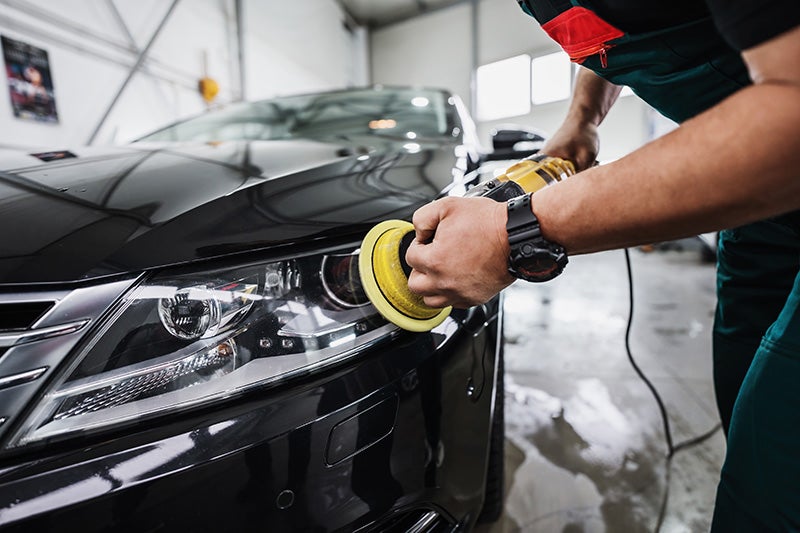
A person polishing the headlight of a black car using a rotary buffer in a garage.

Car Headlights for Fall Driving: What You Need to Know This Season

As the days grow shorter and daylight saving time approaches, proper car headlights for fall driving become more important than ever. Reduced visibility, earlier sunsets, fog, rain, and glare from wet pavement are all conditions drivers face during the autumn months—and your headlights are your first line of defense, right behind your brakes. Why Fall Changes How You Use Your Headlights Car headlights for fall driving work harder than they do during summer. The sun sits lower in the sky, which creates harsh glare during morning and evening commutes. At the same time, leaves on the road can become a reflective hazard after rain, and fog settles more frequently in valleys and along rural stretches. Many drivers don't realize just how much visibility changes between seasons. Turning your headlights on earlier—even during dusk—can make a real difference in how well other drivers and pedestrians can see you. The Importance of a Headlight Inspection Before Fall One of the smartest things you can do before autumn sets in is schedule a headlight inspection. Over time, headlight lenses can become yellowed or oxidized, which reduces the light output significantly even if the bulbs themselves are still working. A technician can assess lens condition, bulb brightness, and aim alignment. A headlight inspection should also include checking that all exterior lights are functioning properly. That includes fog lights, turn signals, and brake lights. If any bulb is out or dim, replacing it before fall arrives keeps you and other drivers safer. Understanding Different Headlight Types Modern vehicles come equipped with a range of headlight technologies. Halogen bulbs are the most common and the most affordable to replace. LED headlights offer brighter, longer-lasting illumination and are found on many newer models, including Cadillac's electric lineup like the LYRIQ and OPTIQ. High-intensity discharge lights, sometimes called xenon lights, provide a wide beam but require professional replacement. Knowing what type of headlights your vehicle has helps you choose the right replacement bulb and understand expected light output. When in doubt, your service team can walk you through the options that work best for your specific vehicle. Tips for Maximizing Headlight Performance This Fall Beyond a headlight inspection, there are simple habits that improve visibility during fall driving. Keep your headlight lenses clean—road grime and bug residue from summer can coat lenses and reduce brightness. If oxidation has built up, a professional polishing or lens restoration service can restore clarity. Make sure your headlights are aimed correctly. Misaligned headlights can blind oncoming traffic or point too far down, limiting how far ahead you can see. Both issues are easy fixes for a qualified service technician. Also, consider using your headlights whenever visibility is reduced, even if it's not completely dark. Many states require headlights when windshield wipers are in use, a rule that reflects how much weather affects driving safety in fall. When It's Time to Replace Your Headlights If your car headlights for fall driving appear dim, flicker, or produce an uneven beam, it's likely time for a replacement. Bulbs that are near the end of their life may still turn on but deliver far less light than they should. Replacing them before they fail completely is always the safer choice. Visit Fitzgerald Auto Malls for a Headlight Check This Fall Staying safe on the road this season starts with making sure your lights are working at their best. Stop by Fitzgerald Auto Malls for a professional headlight inspection and let the service team help you drive confidently into fall. Whether you need a simple bulb swap or a full lens restoration, the team is ready to help you stay visible and drive safely all season long.