

Fitzgerald Auto Malls

Blog / Sedans

SUV vs Sedan: Which Vehicle Is the Better Fit for Your Lifestyle?

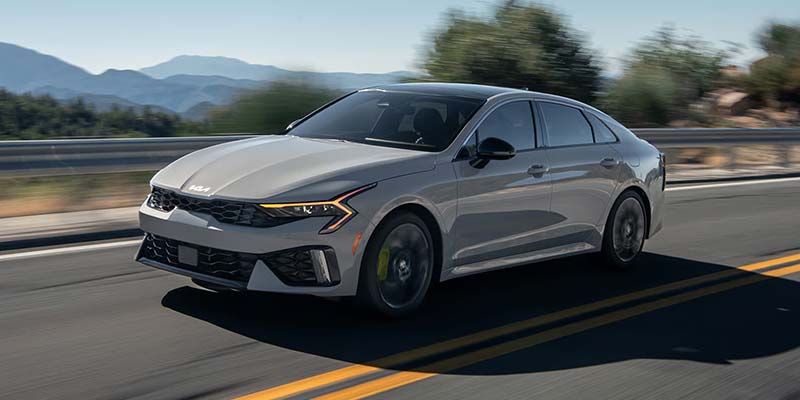
A silver Kia K5 sedan is driving on a winding road with mountains in the background.

Why This Decision Matters More Than You Think 

Choosing between an SUV and a sedan is a common decision for car shoppers. Both body styles offer distinct strengths, and the ideal choice depends on your daily routine. At Fitzgerald Auto Malls in Rockville, Maryland, we want to help you find the best vehicle for your lifestyle. Our team is ready to guide you toward a car that meets your exact needs, and we encourage you to reach out for more information to find your perfect match. 

What Makes an SUV a Strong Choice 

Space and Versatility 

If you regularly haul gear, carry passengers, or need extra cargo room, an SUV is highly capable. Models like the 2026 Kia Sportage and 2026 Kia Sorento provide generous interior space, available all-wheel drive, and comfortable elevated seating. The 2027 Kia Telluride offers three rows of seating and up to 274 horsepower, making it a great option for larger families. 

Powertrain Flexibility 

Modern SUVs provide a wide range of powertrain options. The Kia lineup features traditional gas engines, hybrids, plug-in hybrids, and fully electric vehicles. The 2026 Kia Sorento Hybrid and Sorento Plug-In Hybrid combine the utility of a midsize SUV with improved efficiency. 

Capability for Active Lifestyles 

If your routine involves road trips, outdoor activities, or navigating unpredictable weather, an SUV is highly advantageous. The added ground clearance, available traction systems, and sturdy build make SUVs ideal for drivers needing more than just a commuter car. 

What Makes a Sedan Worth Considering 

Efficiency and Everyday Practicality 

Sedans are lighter and more aerodynamic than SUVs, translating to better fuel efficiency. For drivers spending most of their time commuting or running city errands, a sedan feels nimble and easy to park. If your decision relies on everyday ease of use, a sedan often takes the lead. 

Style and Driving Dynamics 

Sedans like the 2026 Kia K4 and 2025 Kia K5 focus on the driving experience. The K4 delivers awe-inspiring agility, and its sleek profile creates a strong visual statement while remaining practical. Drivers who value an engaging ride and refined appearance will find a sedan to be a perfect fit. 

A More Accessible Entry Point 

Sedans generally offer a lower starting cost compared to SUVs. Both body styles provide a wide range of trims, ensuring a configuration exists for most buyers. 

Making the Right Call 

Your choice between an SUV and a sedan depends entirely on your priorities. You might need the extra room and all-weather capability of an SUV, or perhaps the efficiency and driving feel of a sedan aligns better with your routine. The Kia lineup covers both options with thoughtfully designed vehicles. Visit Fitzgerald Auto Malls in Rockville, Maryland, or contact us online to explore our inventory and schedule a test drive today. 

Posted in:

Related Posts

Wide view of a large parking lot with rows of parked cars on both sides, leading toward a building in the distance under a partly cloudy sky.

SUV vs Truck vs Sedan: How to Choose the Right Vehicle for Your Lifestyle

Choosing the right vehicle can feel overwhelming with so many options available and different needs to meet in your daily life. Whether you need a reliable commuter vehicle, take frequent road trips, want extra capability for work or recreation, or a mix of everything, understanding the key differences between SUVs, trucks, and sedans can help you make a confident decision. To help simplify your search, we’ve put together this quick guide to finding the right vehicle for your lifestyle. What Makes an SUV So Versatile? SUVs (Sport Utility Vehicles) are known for their balance of comfort, space, and capability. They’re a popular choice for families and drivers who need flexibility for both passengers and cargo—whether that’s carpooling, traveling, or everyday errands. Many SUVs offer features like available all-wheel drive, advanced safety technologies, and flexible seating configurations. This makes them well-suited for a variety of driving conditions, including changing seasonal weather across regions like Maryland, Pennsylvania, and Florida. Additionally, many SUVs are now available with hybrid or electrified powertrains, offering improved fuel efficiency without sacrificing space or performance. If you’re looking for a vehicle that can handle daily driving, weekend trips, and everything in between, an SUV may be the best fit for your lifestyle. Why Choose a Truck for Heavy-Duty Needs? Trucks are built for strength and utility. They’re ideal for drivers who need towing capability, hauling capacity, or the durability to handle demanding tasks and rugged environments. With features like high towing ratings, durable frames, and available off-road capability, trucks are often the go-to choice for construction work, outdoor recreation, or transporting equipment. While trucks may offer less passenger-focused space compared to SUVs, many modern models include comfortable interiors, advanced technology, and driver-assist features that make them practical for both work and everyday use. If your lifestyle involves heavy-duty tasks or frequent towing, a truck could be the right choice. Sedans: The Classic Choice for Everyday Driving Sedans remain a strong option for drivers who prioritize efficiency, comfort, and ease of driving. Known for their smooth ride quality and streamlined design, sedans are ideal for commuting, city driving, and long highway trips. Many modern sedans include advanced safety systems, intuitive technology, and strong fuel economy, making them a practical and cost-effective choice. Their lower profile also makes them easier to park and maneuver in tighter spaces. For individuals or smaller families looking for a dependable and efficient daily driver, sedans continue to be a well-rounded option. Which Vehicle Type is Best for Your Lifestyle? When deciding between an SUV, truck, or sedan, consider how you plan to use your vehicle: Need passenger space and cargo flexibility? An SUV may be the best fit. Require towing or hauling capability? A truck is likely the right choice. Focused on fuel efficiency and easy driving? A sedan could be ideal. Each vehicle type offers unique advantages, and the best choice depends on your specific needs, driving habits, and preferences. Find Your Perfect Vehicle at Fitzgerald Auto Malls With locations across Maryland, Pennsylvania, and Florida, Fitzgerald Auto Malls offers a wide selection of vehicles from multiple brands, making it easy to compare SUVs, trucks, and sedans all in one place. Whether you prefer to browse inventory online or visit a nearby dealership, their team is ready to help guide you through your options and find a vehicle that fits your lifestyle. Find Your Perfect Vehicle With Fitzgerald Auto Malls Finding the right vehicle doesn’t have to be complicated. By understanding the differences between SUVs, trucks, and sedans, you can narrow down your options and choose a vehicle that works for your everyday life. Start your search today with Fitzgerald Auto Malls and explore a wide range of vehicles designed to meet a variety of needs and preferences.

A person inspecting a damaged car while taking notes.

What to Expect When Getting a Collision Repair Estimate

Being in an accident is scary enough. Getting a collision repair estimate after an accident is overwhelming too, especially if you've never been through the process before. We’ll show you what to expect ahead of time, so in case the unexpected happens, the experience will hopefully be far less stressful so you can make clear-headed decisions about your vehicle. Why a Collision Repair Estimate Matters A collision repair estimate is more than just a price quote—it's a detailed breakdown of what your vehicle needs to get back to pre-accident condition. Understanding this document helps you communicate more effectively with your repair shop and your insurance company. Without an accurate estimate, repairs can be delayed, costs can balloon, and the quality of work may fall short of what you deserve. What Happens During the Estimate Process When you bring your vehicle in for a collision repair estimate, a trained technician will inspect the visible and hidden damage to your car. They'll document everything from dented panels and scratched paint to structural concerns that aren't always obvious at first glance. This initial inspection is one of the most important steps in the auto body repair process because it sets the foundation for every decision that follows. At Fitzgerald Auto Malls, the goal is always transparency. Technicians walk you through what they find and explain why each repair is necessary, so you're never left guessing about what's going into your estimate. Understanding the Breakdown of Costs A thorough collision repair estimate will typically outline labor costs, parts costs, and any materials needed for paint matching or surface preparation. Labor rates can vary depending on the complexity of the damage and the type of vehicle involved. Parts may be OEM (original equipment manufacturer), aftermarket, or reconditioned, and the difference matters for both fit and longevity. The auto body repair process also often involves supplemental estimates—additional charges discovered once a vehicle is disassembled and deeper damage is uncovered. This is normal and expected, so don't be caught off guard if the final cost adjusts slightly from the original quote. Working With Your Insurance Company Most drivers rely on their insurance coverage to help manage collision repair costs. Your insurer may send their own adjuster to review the damage, or they may accept an estimate from a Certified repair facility directly. Either way, your collision repair estimate is the key document that drives the claims process forward. It's important to review your estimate carefully before signing off on any repairs. Ask questions if something is unclear, get a second opinion if anything feels off, and make sure the shop you choose has experience working with your insurance provider. Choosing the Right Repair Shop Not all collision repair shops operate the same way. Certifications, equipment, and experience all play a role in the quality of work you'll receive. Look for a shop that uses proper diagnostic tools, employs Certified technicians, and offers a clear warranty on completed repairs. Shops that are transparent about their auto body repair process from the start are usually the ones that deliver the best results. Visit Fitzgerald Auto Malls for Your Collision Repair Estimate When you need a reliable collision repair estimate, the team at Fitzgerald Auto Malls is ready to help. With a commitment to honest assessments and quality workmanship, Fitzgerald Auto Malls is a trusted resource for drivers looking to get their vehicle back on the road the right way. Reach out today to schedule your estimate and take the first step toward a smooth, stress-free repair experience.

A man and a woman are examining a car in a car dealership. The man is smiling and pointing at the car's surface while the woman looks on, also smiling.

Car Mileage vs. Age: Which Matters More When Buying a Vehicle?

When you're ready to find a new-to-you vehicle, one of the most common questions buyers face is whether car mileage vs. age should be the deciding factor. It's a great question, and the honest answer is that both matter—but in different ways depending on what you're looking for. Understanding how these two factors work together can help you make a smarter, more confident purchase. Whether you're browsing new models or comparing used car mileage on a pre-owned option, knowing what to look for puts you in a better position. Why Mileage Gets So Much Attention When most people think about used car mileage, they focus on the odometer reading as a quick indicator of wear and tear. And there's good reason for that. Higher mileage generally means more stress on the engine, transmission, brakes, and other key components. That said, mileage alone doesn't tell the whole story. A vehicle with 80,000 miles that was driven mostly on the highway and serviced regularly can actually be in better shape than one with 50,000 miles of hard city driving and spotty maintenance. How Age Factors Into the Equation Age plays a different but equally important role in the car mileage vs. age conversation. Older vehicles are subject to time-related wear, regardless of how many miles they've traveled. Rubber seals, belts, hoses, and other components can degrade simply from sitting - or from years of heat, cold, and humidity exposure. A 10-year-old vehicle with only 30,000 miles might sound appealing at first. But those low miles could mean the car sat unused for long stretches, which can actually cause its own set of mechanical issues. Context matters. What Matters Most: Maintenance History Regardless of where a vehicle falls in the car mileage vs. age debate, maintenance history is arguably the most reliable indicator of long-term value. A vehicle that’s been regularly serviced with oil changes, tire rotations, and inspections done on schedule, will typically outlast one that hasn't, no matter the age or mileage. When evaluating any vehicle, ask for service records. If they're not available, that's a red flag worth noting. A well-documented history gives you real insight into how the vehicle was cared for over time. Tips for Evaluating Any Vehicle There are a few practical steps you can take to evaluate a vehicle beyond just the odometer reading and model year. Ask for a Vehicle History Report, which can reveal accident history, ownership changes, and service records. Especially if you’re not super mechanically inclined, having a trusted mechanic inspect the vehicle before you commit is always smart. Pay attention to tire wear, fluid conditions, and any visible rust. These details often reveal more than a number on a dashboard ever could. If you're considering a new vehicle, Hyundai backs its lineup with America's Best Warranty—coverage for up to 10 years or 100,000 miles—giving you long-term peace of mind from day one. New models also come with 5 years of 24/7 roadside assistance with no mileage cap, which is a meaningful benefit for any driver. Knowledge is Power When it comes to car mileage vs age, there's no single right answer—but being informed makes all the difference. Used car mileage and vehicle age are both useful data points, but they work best when evaluated alongside maintenance history, condition, and your own driving needs. Our teams at Fitzgerald Auto Malls are ready to help you weigh all the factors and find a vehicle that fits your life and budget. Visit https://www.fitzmall.com/ to explore new and pre-owned inventory and get started today.